Travellers Club The Travellers Club, a free to join on-line club for everyone who loves to travel.
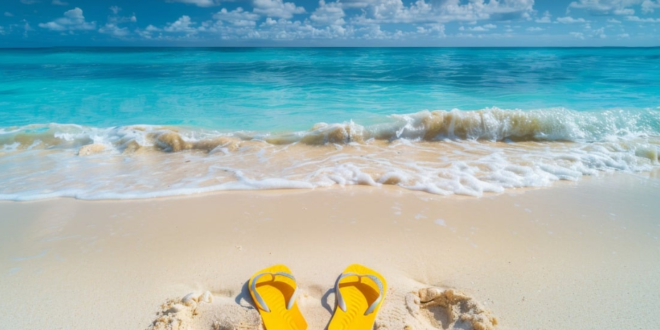
As summer temperatures continue to rise across Europe, many travellers are rethinking their holiday plans. While sunshine is often the main attraction, prolonged heatwaves can make sightseeing uncomfortable and even pose health risks. Fortunately, there are still plenty of destinations where you can enjoy a fantastic European getaway while avoiding the worst of the extreme heat.
Whether you’re planning a family holiday, a city break, or a coastal escape, here are some of the safest European destinations to consider during a heatwave, along with practical tips for staying comfortable and healthy.
Why Heatwaves Are Affecting European Travel
Southern Europe has experienced increasingly frequent and intense heatwaves in recent years, with temperatures regularly exceeding 40°C in parts of Spain, Italy, Greece, and Portugal. Popular tourist attractions can become crowded and uncomfortable, while outdoor activities may be restricted during the hottest parts of the day.
Travellers are increasingly looking towards cooler coastal destinations, northern European cities, and mountain regions where temperatures remain more manageable throughout the summer months.
1. Ireland: Mild Temperatures and Stunning Scenery
Ireland’s climate makes it one of Europe’s most reliable destinations during a heatwave. Summer temperatures typically range between 15°C and 22°C, making it ideal for outdoor exploration.
Visitors can enjoy:
- The Wild Atlantic Way
- The Cliffs of Moher
- Ring of Kerry scenic drives
- Dublin’s historic attractions
- Coastal walks and beaches
The refreshing Atlantic breeze helps keep temperatures comfortable even when much of mainland Europe is experiencing extreme heat.
2. Norway: Fjords, Mountains and Cool Summer Days
Norway offers some of Europe’s most spectacular scenery and remains pleasantly cool throughout the summer.
Highlights include:
- Exploring world-famous fjords
- Hiking in the mountains
- Scenic rail journeys
- Midnight sun experiences in the north
- Outdoor adventures without oppressive heat
Average summer temperatures often remain between 18°C and 25°C, particularly along the coast.
3. Iceland: Europe’s Ultimate Cool Escape
For travellers seeking a complete escape from the heat, Iceland is hard to beat.
Summer visitors can enjoy:
- Waterfalls and glaciers
- Volcanic landscapes
- Whale watching excursions
- Geothermal spas
- Endless daylight during peak summer
Temperatures rarely become excessively warm, making Iceland ideal for active holidays and sightseeing.
4. Scotland: Cooler Summers and Dramatic Landscapes
Part of the appeal of Scotland is its generally moderate summer climate.
Popular destinations include:
- The Scottish Highlands
- Isle of Skye
- Edinburgh’s historic centre
- Loch Ness
- Coastal villages and beaches
Summer temperatures usually stay below those experienced across southern Europe, allowing visitors to explore comfortably throughout the day.
5. Northern Spain’s Atlantic Coast
While much of Spain can become extremely hot during a heatwave, the northern Atlantic regions often remain considerably cooler.
Consider:
- San Sebastián
- Santander
- Bilbao
- Asturias
- Galicia
The Atlantic Ocean moderates temperatures, while visitors still enjoy excellent food, beaches, and cultural attractions.
6. The Alps: High-Altitude Summer Holidays
Mountain destinations offer a natural solution to extreme heat. Regions across:
- Switzerland
- Austria
- France
- Northern Italy
provide cooler temperatures thanks to higher elevations.
Visitors can enjoy:
- Mountain hiking
- Cable car rides
- Alpine lakes
- Cycling routes
- Charming villages
Even when nearby cities are experiencing heatwave conditions, alpine resorts can remain pleasantly cool.
7. Denmark: Coastal Comfort and Family-Friendly Attractions
Denmark combines beautiful coastlines, vibrant cities, and generally mild summer weather.
Families can enjoy:
- Copenhagen’s attractions
- Sandy beaches
- Cycling-friendly towns
- Theme parks
- Coastal islands
The country’s maritime climate helps keep temperatures comfortable throughout the summer season.
Essential Heatwave Travel Safety Tips
Even if you’re heading to a cooler destination, it’s important to prepare for unusually warm weather.
Stay Hydrated
Drink water regularly throughout the day, particularly when sightseeing or participating in outdoor activities. Don’t wait until you feel thirsty.
Plan Activities Carefully
Schedule walking tours, hikes, and outdoor attractions for early morning or evening when temperatures are lower.
Choose Accommodation Wisely
When booking accommodation, check whether rooms include:
- Air conditioning
- Fans
- Blackout curtains
- Swimming pools
- Shaded outdoor areas
Protect Yourself from the Sun
Wear:
- Lightweight clothing
- A wide-brimmed hat
- Sunglasses
- High-factor sunscreen
Reapply sunscreen regularly, especially after swimming.
Monitor Local Weather Alerts
Many European countries issue heat warnings and travel advice during periods of extreme weather. Staying informed can help you adjust plans if necessary.
The Future of Summer Travel in Europe
As heatwaves become more common, many travellers are choosing destinations that offer a balance of sunshine and comfort. Northern Europe, coastal regions influenced by the Atlantic, and mountain destinations are all seeing increased interest from holidaymakers seeking a safer and more enjoyable summer experience.
The good news is that avoiding extreme heat doesn’t mean sacrificing beautiful scenery, rich culture, or memorable experiences. From Iceland’s dramatic landscapes to Norway’s fjords and Ireland’s rugged coastline, Europe offers plenty of destinations where you can enjoy a summer holiday without battling scorching temperatures.
By choosing your destination carefully and following sensible heat-safety advice, you can enjoy a comfortable and rewarding European escape, even during the hottest months of the year.