Travellers Club The Travellers Club, a free to join on-line club for everyone who loves to travel.
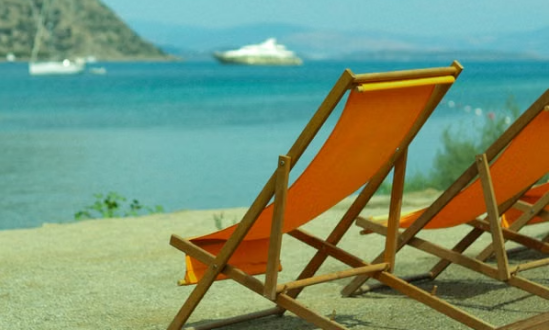
Few things are more synonymous with summer than a trip to the seaside. Whether it’s building sandcastles on a family beach holiday, enjoying fish and chips on a promenade, or taking a refreshing dip in the sea, coastal breaks have been a cherished tradition for generations.
Yet seaside holidays are a relatively modern phenomenon. For much of history, the coast was viewed with suspicion rather than excitement. The transformation of seaside towns into popular holiday destinations is a fascinating story that spans centuries and reflects changing attitudes towards health, leisure, and travel.
When the Sea Was Feared
Today, beaches are associated with relaxation and recreation, but in medieval times the coastline was often considered a dangerous place. Coastal communities relied on fishing and trade, but the sea itself was viewed as unpredictable and threatening.
Travel was difficult, expensive, and often uncomfortable. Most people rarely ventured far from their homes, and the idea of travelling purely for pleasure would have seemed unusual. Coastal areas were valued for their economic importance rather than their potential as holiday destinations.
The Rise of Sea Bathing
The origins of the modern seaside holiday can be traced back to the 18th century when doctors began promoting the health benefits of seawater.
At the time, many believed that bathing in cold seawater could cure a range of ailments, including digestive problems, depression, and respiratory illnesses. Seawater was prescribed almost like medicine, and wealthy individuals began travelling to coastal resorts specifically to take part in these therapeutic treatments.
The practice of “sea bathing” soon became fashionable among Britain’s upper classes.
The Birth of Britain’s First Seaside Resorts
One of the earliest and most influential seaside destinations was Brighton.
Originally a small fishing village, Brighton gained popularity during the 18th century thanks to the physician Richard Russell, who promoted the health benefits of drinking and bathing in seawater.
Brighton’s reputation grew further when George IV, then Prince Regent, adopted the town as his preferred retreat. The construction of the extravagant Royal Pavilion helped establish Brighton as a fashionable destination for the wealthy.
Other resorts soon followed, including:
- Scarborough
- Margate
- Southport
- Blackpool
These towns began developing facilities specifically designed to attract visitors.
The Railway Revolution
The true boom in seaside holidays arrived during the 19th century with the expansion of Britain’s railway network.
Before rail travel, reaching the coast could take days. Trains dramatically reduced journey times and made travel affordable for growing numbers of people.
For the first time, working and middle-class families could enjoy leisure trips away from home.
Seaside towns responded by building:
- Grand hotels
- Pleasure piers
- Promenades
- Theatres
- Gardens
- Amusement attractions
The seaside holiday became accessible to millions rather than just the wealthy elite.
Victorian Seaside Culture
The Victorian era shaped many of the seaside traditions that continue today.
Visitors flocked to resorts for fresh air, entertainment, and recreation. However, standards of behaviour were quite different from modern beach culture.
Bathing costumes covered much of the body, and many resorts used bathing machines—small wooden huts on wheels that could be rolled into the sea to allow modest changing and bathing.
Popular activities included:
- Donkey rides
- Punch and Judy shows
- Pier entertainment
- Brass bands
- Tea rooms
- Promenade walks
Many of these attractions remain familiar features of British seaside towns today.
The Golden Age of the British Seaside Holiday
The period between the late 19th century and the 1960s is often regarded as the golden age of the British seaside holiday.
Paid annual leave became more common, wages increased, and improved transport made travel easier than ever before.
Resorts such as Blackpool became hugely popular, attracting millions of visitors every year. Families would spend a week or more enjoying beaches, fairgrounds, theatres, and seaside attractions.
For many people, a summer holiday by the sea became an important annual tradition and a highlight of the year.
The Arrival of Overseas Holidays
The popularity of British seaside resorts began to decline during the 1960s and 1970s.
Several factors contributed to this change:
- Affordable package holidays
- Growth in international air travel
- Rising incomes
- Guaranteed sunshine abroad
Destinations in Spain, Greece, Portugal, and Italy offered warmer weather and new experiences that many travellers found appealing.
As a result, some traditional British seaside towns experienced a significant drop in visitor numbers.
A Modern Revival
In recent years, Britain’s seaside destinations have enjoyed something of a renaissance.
Many travellers are rediscovering the charm of coastal holidays thanks to:
- Improved accommodation
- Regenerated seafronts
- Independent restaurants and cafés
- Coastal walking routes
- Environmental tourism
- Staycation trends
The popularity of domestic travel surged during the early 2020s, introducing a new generation to many of the country’s historic seaside resorts.
From Cornwall’s surfing beaches to the Victorian grandeur of Brighton and the family attractions of Blackpool, Britain’s coast continues to attract visitors seeking relaxation and adventure.
Seaside Holidays Around the World
While Britain played a major role in popularising the seaside holiday, similar developments occurred elsewhere.
Throughout the 19th and 20th centuries, coastal resorts emerged across Europe and beyond, including:
- The French Riviera
- Italy’s Adriatic Coast
- Spain’s Costa del Sol
- The Baltic coast of Germany
- Atlantic beach resorts in the United States
Today, beach tourism is one of the world’s largest travel sectors, generating billions in economic activity every year.
Why We Still Love the Seaside
Despite changing travel trends, the appeal of the seaside remains remarkably strong.
The combination of open space, fresh air, natural beauty, and simple pleasures continues to attract holidaymakers of all ages. Scientific studies have even suggested that spending time near the coast can improve wellbeing and reduce stress.
Whether it’s a nostalgic trip to a traditional British resort or a luxury beach escape abroad, the seaside holiday has evolved from a health treatment for the wealthy into one of the world’s most popular forms of travel.
More than two centuries after the first visitors travelled to the coast in search of the healing powers of seawater, millions of people still head for the beach every summer. The reasons may have changed, but the attraction of the sea remains as powerful as ever.